Transitioning from Assisted Living to Memory Care: Timing, Tips, and Talk Tracks
Business Name: BeeHive Homes of Grain Valley
Address: 101 SW Cross Creek Dr, Grain Valley, MO 64029
Phone: (816) 867-0515
BeeHive Homes of Grain Valley
At BeeHive Homes of Grain Valley, Missouri, we offer the finest memory care and assisted living experience available in a cozy, comfortable homelike setting. Each of our residents has their own spacious room with an ADA approved bathroom and shower. We prepare and serve delicious home-cooked meals every day. We maintain a small, friendly elderly care community. We provide regular activities that our residents find fun and contribute to their health and well-being. Our staff is attentive and caring and provides assistance with daily activities to our senior living residents in a loving and respectful manner. We invite you to tour and experience our assisted living home and feel the difference.
101 SW Cross Creek Dr, Grain Valley, MO 64029
Business Hours
When a loved one moves into assisted living, the family breathes a little simpler. Medications are handled, meals appear on time, and there is assist with bathing, dressing, and the small day-to-day jobs that were failing the cracks in the house. For numerous families, that stability holds till memory changes speed up. Then the initial plan can start to wobble. Corridor roaming becomes a nightly pattern. A resident forgets to push the call pendant and attempts to use the stove. A familiar corridor suddenly appears like a maze, and the front door like an exit to a better place.
The decision to shift from assisted living to memory care is not simply a change of address. It is a modification of technique. Memory care is developed for people coping with dementia whose requirements are no longer fulfilled by the staffing design, environment, and shows typical of assisted living. Succeeded, the move minimizes risk and distress, and can even improve lifestyle. Done late or inadequately supported, it can feel like a loss overdid top of loss.
I have supported dozens of families through this shift, and the very same styles resurface: timing, clarity, and truthful conversation. What follows is a guidebook constructed around those themes, with useful details and talk tracks that can decrease friction throughout a hard pivot.
What modifications when care needs shift
The early and middle phases of dementia often fit inside the assisted living framework. Tips, cueing, and occasional hands-on assistance do the job. As cognitive impairment deepens, the nature of assistance must alter. Individuals lose the capability to series jobs, recognize risk, and recover from surprises. They may walk with function but without destination. Noise, clutter, and complex directions can feel hostile. Requirement assisted living regimens, even with caring personnel, are not developed for this level of cognitive variability and behavioral expression.
Memory care programs are developed for that truth. The best ones simplify the environment, embed structured engagement throughout the day, and use smaller sized staff teams with dementia-specific training. Hallways loop rather of lock homeowners into dead ends. Exit doors are disguised or secured. Activities are hands-on and repeated by design. Caregivers use short, concrete expressions. The objectives extend beyond safety. They consist of rhythm, sensory convenience, and protecting the person's identity in daily life.
Clear signals that it is time to think about memory care
Here are patterns that, taken together, recommend the existing assisted living setting is lacking runway.
- Frequent elopement danger, consisting of exit seeking or tries to leave the structure in spite of redirection.
- Escalating habits connected to overstimulation or confusion, such as sundown agitation, nighttime wandering, or setting out during care.
- Care rejections or job breakdowns that continue in spite of cueing, for example repeated failure to follow two-step directions for bathing or toileting.
- Falls, weight reduction, or medication errors driven by cognitive decline, not simply physical frailty.
- Unit-wide effect, where the individual's requirements or behaviors repeatedly overwhelm the assisted living staffing model, specifically during nights and nights.
No single product on that list requires a move. The pattern and trajectory matter more than a picture. When two or three of these concerns exist most days, and interventions inside assisted living are not working after a few weeks, it is time to examine memory care options.
Assisted living and memory care, in practice
On paper, both settings use help with activities of daily living and medication management. In practice, 3 differences typically specify memory care.
First, staffing patterns. While regulations differ by state, memory care personnel frequently have additional dementia training and a higher caretaker to resident ratio during peak hours. Ratios can range widely, from approximately 1 to 6 during the day in smaller memory care homes to 1 to 12 or more in big communities. Over night ratios are typically leaner. Ask particularly about nights and weekends, because that is when roaming and sleep disruptions crest.
Second, environment. An excellent memory care system makes it easy to do the right thing. Bathrooms are simple to find. Typical areas invite purposeful movement, not idle sitting. Visual mess is reduced. Outside yards are confined and accessible without asking for an escort. Doors to genuinely unsafe locations are secured. Hormone lighting changes are no treatment, however consistent lighting, low glare floorings, and quieter dining rooms matter more than the majority of households expect.
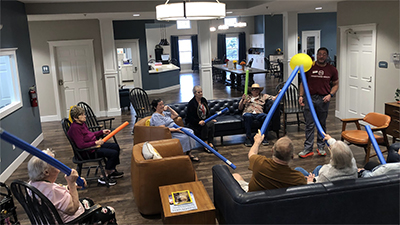
Third, programming and technique. Dementia care is not about filling a calendar. It has to do with predictable anchors and chances for success. Short, repeating activities are better than long lectures. Music, folding, sorting, gardening, home jobs, and individually visits work better than bingo marathons. Care strategies include motion, hydration, and micro-rests to prevent afternoon spikes in confusion. The language shifts too. Personnel prevent quizzing. They confirm feeling, then redirect and engage.
Getting the timing right
The most common remorse I hear is, we waited too long. Households hope that another medication modify or a few more hours of personal responsibility help will stabilize things. In some cases that works for a season. In other cases, delay increases risk. 2 useful timing markers help:
-
Safety episodes that need emergency situation services. If the last 90 days include 2 or more 911 calls for roaming, falls, or habits, the present setting is not enough.
-
Escalating worker strain. When assisted living staff are regularly calling you to come sit with your loved one for numerous hours so they can handle the rest of the system, the scale has actually tipped.
There are also external triggers. Healthcare facilities and rehab centers typically push for a greater level of care after a fall or infection that unmasked cognitive decrease. Those discharge windows are chaotic. If possible, start examining memory care homes while your loved one is still at assisted living. Even two afternoons of touring and discussion can conserve a scramble.
The scientific and legal backdrop you ought to know
Memory care admission is not only about observed requirement. The majority of communities require paperwork. Anticipate the following:
-
A doctor's report or current history and physical, typically within 30 to 60 days, that includes a dementia medical diagnosis or a minimum of a description of cognitive impairment.
-
A medication list and any recent modifications, including dosages for psychotropic drugs. Memory care groups will ask about negative effects such as sleepiness, falls, or hunger changes.
-
An evaluation of decision-making capacity. Capability is job specific and can change. An individual might still have the ability to designate a health care proxy while lacking capacity to consent to a complex treatment strategy. If your loved one does not have capacity, the community will require the durable power of attorney for healthcare and finance, or documentation of guardianship or conservatorship where required.
-
Advance regulations or a POLST if one exists. Memory care groups gain from clearness on hospitalization preferences.
From the assisted living side, understand the transfer procedure. Lots of states need a 30-day notice if the community initiates the move since needs go beyond licensure. That notice can be shortened if there is imminent risk. Ask for a care conference before and after notification is provided. This is where the strategy, roles, and timeline get anchored.
Money and the pricing puzzle
Budgeting for memory care ought to begin with sincere ranges, because prices differ by area and by building size.
-
Private pay regular monthly rates in memory care frequently vary from approximately 5,000 to 9,000 dollars, with metropolitan areas and more recent structures skewing greater. Smaller memory care homes in residential areas often price lower, and they bring a home-like rhythm lots of families prefer.
-
Pricing designs differ. Some memory care units offer extensive rates, others layer level-of-care fees on top of a base rent. A resident who requires two-person transfers, diabetic management, or comprehensive incontinence care may land in higher tiers. Ask the neighborhood to model two circumstances, the existing estimate and the next most likely level if requirements progress.
-
Medicaid protection for memory care depends upon state programs and waiver availability. Waitlists are common. If Medicaid support becomes part of your plan, ask bluntly which rooms or structures accept it and when conversion from personal pay is possible. Get the response in writing.
Families typically attempt to "extend" assisted dealing with personal assistants to prevent an earlier move. That can work short-term. Run the mathematics. Eight hours a day of private responsibility assistance at 30 dollars per hour equals approximately 7,200 dollars each month on top of assisted living rent. It is easy to invest memory care money without getting the advantages of a secured, specialized environment.
Choosing the ideal memory care home
Communities vary more than their pamphlets memory care near me recommend. The feel of the place, the turn of staff towards residents, and the steadiness of management matter as much as features. Tour two times if you can, once in the mid-morning calm and when in the late afternoon when sundowning tends to increase. Hang around in the dining room. Look for how staff respond when somebody is pacing or calling out.
Use these focused questions to get beyond sales language.
- What is your common caretaker to resident ratio, particularly after 6 p.m., and how typically is it met?
- How do you individualize activities for somebody who does not sign up with groups?
- Can you share an example of a habits plan that worked and how you measured success?
- What is your policy for medical facility readmissions and bed holds, and how do you communicate throughout those events?
- How do you train brand-new staff in dementia care, and how do you revitalize skills after the very first 90 days?
Ask to see a blank care strategy and a sample everyday schedule. Take a look at the memory boxes outside resident doors. Are they personalized with pictures and tactile items, or generic? Step into a bathroom. Is it spotless, equipped, and safe without looking like a medical suite? These small signals include up.
Preparing for conversations that matter
Families often stumble in the way they speak about the relocation, either sugarcoating or dropping the news like a gavel. Individuals living with dementia deserve sincerity worn compassion. The objective is to reduce fear and preserve dignity, not to extract contract. A couple of talk tracks that have actually operated in genuine spaces:
With a parent who is suspicious however still conversational: "Mom, the building we are in has a difficult time keeping the front doors safe at night. You have been looking for the garden and getting supported the exit. I discovered a smaller sized location where the garden is inside the loop, so you can stroll without those alarms. They likewise have someone to help with your late afternoon restlessness. I will go with you on Tuesday, and we will set up your space like you like it."
With a spouse who fears losing you: "We are still a group. I am not leaving you. This new location has people awake all night, and they know how to assist when the dreams feel real. I will be there for dinner most nights till we find a new rhythm. We will bring your quilt and the family album, and I currently talked with the nurse about the songs you like after lunch."
With brother or sisters who disagree on timing: "I hear you want to attempt more personal assistants. Here is what last month looked like: three wandering episodes, one ER visit after a fall, and 2 calls from the center asking me to come sit with Dad since they could not redirect him. We can include assistants, however at 30 dollars an hour for afternoons and evenings we would invest around 5,000 dollars a month and still not have protected doors. I think memory care is safer and actually kinder. If we try it for 60 days, we can examine together with the care group."
With assisted living leadership, to keep the tone collective: "We wish to do this in a way that supports the entire system. Can we look at the next 6 weeks and set a date that deals with your staffing side too? I would appreciate your help preparing a transition summary for the new team with Dad's finest times of day, bath preferences, and what calms him when he is anxious."
Honesty without over-explaining assists. Avoid arguing facts from the individual's past. Focus on sensations and needs in the present. If your loved one asks to go home, verify the dream. "I know, you miss that sensation of home. Let us get a cup of tea and take a look at the garden together," often lands much better than a dispute about addresses.
Packing and moving without overwhelming
A relocation during dementia is not about boxes. It is about connection. Bring less things, but make them the best things. A preferred chair, a normal-sized nightstand with a light, the quilt, framed photos that are large and clear, the radio, and the handbag or wallet with ended cards inside to satisfy the hand memory of holding them.
Label clothes in such a way that staff can manage. If pull-on trousers work, bring more of those. Shoes with firm soles and closed heels beat slippers for both safety and self-confidence. Get rid of trip hazards like loose toss rugs and footstools. If an individual utilized to sleep with a small light, duplicate that lighting. If they always had water on the left side of the bed, keep it there.
Move previously in the day when the individual is normally calmer, and prevent Fridays if possible, since weekend staff may not understand the new resident yet. Some households find it valuable to have a single person accompany their loved one to an activity while others set up the room, then reunite in the new space once it feels familiar. Bring the aroma of home. A dab of a familiar cream, the smell of brewed coffee in the afternoon, or the same brand of laundry cleaning agent on the sheets helps anchor the senses.
Hand the memory care group a one-page life story, not a binder. Include the basics: favored name, significant roles, pastimes, work history in one line, favorite foods, routines that matter, and known triggers. Include what in fact assists when the person is distressed. Unclear notes like "likes music" are less useful than "begin with Ella Fitzgerald at medium volume, then hum along and provide a warm washcloth."
The first 72 hours and the first month
Expect some turbulence. Even strong memory care homes require a few days to learn the rhythm of a brand-new resident. If your loved one resists care, requests home, or has a rough first night, that does not indicate the positioning is wrong. It indicates the team is discovering. Stay present, but avoid hovering. Short everyday visits at differing times let you see the genuine day. If you can, do one mealtime with the group, one mid-afternoon drop in, and one evening peek in the first week.
Ask for a care plan conference within 14 to one month. Come prepared with observations that are concrete. "She paces more in between 3 and 5 p.m. And drinks better with a straw," is more actionable than "afternoons are rough." Work with the team to set 2 or three quantifiable objectives. Examples consist of reducing exit-seeking episodes by half, removing missed medication dosages, or supporting weight within a two-pound range.
If medications change, ask about the target symptom, the expected time to effect, and the plan to reassess. Lots of antipsychotics increase fall threat. Sometimes a simple sleep regular modification, constant hydration, or discomfort management adjustment prevents much heavier drugs.
Edge cases and how to handle them
Younger onset dementia. People diagnosed in their fifties or early sixties frequently walk quickly and require more vigorous engagement. Tour neighborhoods with an eye for versatility. Ask how they support residents who can not sit through group programs and whether staff are comfy taking brief walks outside the system with supervision.
Bilingual or non-English speakers. Language loss can intensify confusion late in the day. If the neighborhood does not have personnel who speak your loved one's first language, ask how they use translation tools, visual cueing, and family recordings. Easy signs with pictures, not words, helps. Music and prayer in the native language often cut through distress better than anything else.
Couples with various requirements. Some schools allow one partner in assisted living and the other in memory care, with shared meals and supervised visits. Exercise the checking out regimen before the relocation. If the healthier partner visits unstructured and stays late, both can spiral. Short, prepared visits anchored to favorable regimens, like folding laundry together or watering plants, go better.
High mobility with high danger. The person who strolls continuously but can not browse risk becomes a test of environment and staffing. Search for looped hallways, wayfinding hints, and staff who naturally walk with locals rather than asking them to sit. A secured yard is not a luxury in these cases. It is a pressure valve.
Measuring whether the move is helping
Safety is easy to count. Quality of life needs a softer eye. Still, there are concrete markers you can track throughout the first three months:
-
Falls and ER visits. Are they reducing in number and severity?
-
Sleep. Is the overnight pattern more foreseeable, even if not perfect?
-
Engagement. Do personnel report moments of connection, not just presence at activities?
-
Nutrition and hydration. Is weight steady or enhancing? Are there less episodes of irregularity or dehydration?
-
Mood. Are there less extended episodes of anxiety or anger, and much shorter healing times after triggers?
If the answer is no on numerous fronts after 60 to 90 days, hold a care conference and request a revised plan. In some cases the issue is a misfit in between resident and scene. Other times it is a solvable inequality in timing, method, or medications.
When the very first placement is not a fit
Even with good research, not every memory care home will fit your loved one. If problems feel systemic, start with direct interaction, not a midnight relocation. Ask to meet the nurse and the administrator. Usage specific examples and patterns, and ask what changes they can dedicate to within 2 weeks. Be clear about what success would look like.
Meanwhile, silently resume your search. Visit two other communities and one smaller memory care home if readily available. Ask your existing group for the transfer packet requirements, so you are not rushing later. If you decide to move again, go for a window when your loved one is reasonably steady. Two moves in one month tend to increase distress. 2 relocations in 90 days, with a period of stability in between, frequently land better.
What families want they had known
A few honest reflections from families I have dealt with:
-
The secured door is not a penalty. It is a tool that lets individuals walk without the panic of losing them.
-
A smaller memory care home with 10 to 16 citizens can feel more personal, however it still rises and falls on the skill of the supervisor and the steadiness of the personnel. Visit when the supervisor is off to get a feel for the baseline.
-
Bring the dentist and podiatrist into the strategy early. Mouth pain and overgrown toe nails drive more "habits" than the majority of care strategies capture.
-
The right activity at the incorrect time stops working. If late mornings are strongest, schedule showers then and conserve group activities for early afternoon.
-
Your presence still matters. Even if your loved one forgets the visit five minutes after you leave, their nerve system remembers how it felt to be seen and soothed.

The north star
Transitioning from assisted living to memory care is not a surrender to decrease. It is an adjustment of the care setting to satisfy the brain your loved one has today. At its best, memory care reduces avoidable crises and expands the circle of individuals who can decipher distress and deal comfort. Families who lean into the timing questions early, ask exact questions of each memory care home, and utilize honest, soothing talk tracks will find the move less like a cliff and more like a handrail on a high part of the path.
Dementia care always requests flexibility and kindness. An excellent memory care community helps you offer both, dependably, day after day.
BeeHive Homes of Grain Valley provides assisted living care
BeeHive Homes of Grain Valley provides memory care services
BeeHive Homes of Grain Valley provides respite care services
BeeHive Homes of Grain Valley offers 24-hour support from professional caregivers
BeeHive Homes of Grain Valley offers private bedrooms with private bathrooms
BeeHive Homes of Grain Valley provides medication monitoring and documentation
BeeHive Homes of Grain Valley serves dietitian-approved meals
BeeHive Homes of Grain Valley provides housekeeping services
BeeHive Homes of Grain Valley provides laundry services
BeeHive Homes of Grain Valley offers community dining and social engagement activities
BeeHive Homes of Grain Valley features life enrichment activities
BeeHive Homes of Grain Valley supports personal care assistance during meals and daily routines
BeeHive Homes of Grain Valley promotes frequent physical and mental exercise opportunities
BeeHive Homes of Grain Valley provides a home-like residential environment
BeeHive Homes of Grain Valley creates customized care plans as residents’ needs change
BeeHive Homes of Grain Valley assesses individual resident care needs
BeeHive Homes of Grain Valley accepts private pay and long-term care insurance
BeeHive Homes of Grain Valley assists qualified veterans with Aid and Attendance benefits
BeeHive Homes of Grain Valley encourages meaningful resident-to-staff relationships
BeeHive Homes of Grain Valley delivers compassionate, attentive senior care focused on dignity and comfort
BeeHive Homes of Grain Valley has a phone number of (816) 867-0515
BeeHive Homes of Grain Valley has an address of 101 SW Cross Creek Dr, Grain Valley, MO 64029
BeeHive Homes of Grain Valley has a website https://beehivehomes.com/locations/grain-valley
BeeHive Homes of Grain Valley has Google Maps listing https://maps.app.goo.gl/TiYmMm7xbd1UsG8r6
BeeHive Homes of Grain Valley has Facebook page https://www.facebook.com/BeeHiveGV
BeeHive Homes of Grain Valley has an Instagram page https://www.instagram.com/beehivegrainvalley/
BeeHive Homes of Grain Valley won Top Assisted Living Homes 2025
BeeHive Homes of Grain Valley earned Best Customer Service Award 2024
BeeHive Homes of Grain Valley placed 1st for Senior Living Communities 2025
People Also Ask about BeeHive Homes of Grain Valley
What is BeeHive Homes of Grain Valley monthly room rate?
The rate depends on the level of care needed and the size of the room you select. We conduct an initial evaluation for each potential resident to determine the required level of care. The monthly rate ranges from $5,900 to $7,800, depending on the care required and the room size selected. All cares are included in this range. There are no hidden costs or fees
Can residents stay in BeeHive Homes of Grain Valley until the end of their life?
Usually yes. There are exceptions, such as when there are safety issues with the resident, or they need 24 hour skilled nursing services
Does BeeHive Homes of Grain Valley have a nurse on staff?
A consulting nurse practitioner visits once per week for rounds, and a registered nurse is onsite for a minimum of 8 hours per week. If further nursing services are needed, a doctor can order home health to come into the home
What are BeeHive Homes of Grain Valley's visiting hours?
The BeeHive in Grain Valley is our residents' home, and although we are here to ensure safety and assist with daily activities there are no restrictions on visiting hours. Please come and visit whenever it is convenient for you
Do we have couple’s rooms available?
Yes, each home has rooms designed to accommodate couples. Please ask about the availability of these rooms
Where is BeeHive Homes of Grain Valley located?
BeeHive Homes of Grain Valley is conveniently located at 101 SW Cross Creek Dr, Grain Valley, MO 64029. You can easily find directions on Google Maps or call at (816) 867-0515 Monday through Sunday Open 24 hours
How can I contact BeeHive Homes of Grain Valley?
You can contact BeeHive Homes of Grain Valley by phone at: (816) 867-0515, visit their website at https://beehivehomes.com/locations/grain-valley, or connect on social media via Facebook or Instagram
Take a short drive to LongHorn Steakhouse which serves as a comfortable restaurant choice for seniors receiving assisted living or senior care during planned respite care outings.